
Emergency Maintenance Triage for Denver Rental Properties

Updated: Oct 5
When a resident reports water on the floor, no heat, a burning odor or a door that will not secure, the first few decisions shape the entire response. Property managers do not need to diagnose every failure over the phone. They do need a consistent way to protect people, limit additional property damage, assign the right vendor and document what happened.
For Denver Metro and Boulder County rental properties, emergency planning should account for freezing temperatures, sudden weather changes, plumbing failures, roof leaks and building-specific systems. A written triage process helps the on-call manager, resident and maintenance vendor work from the same priorities instead of reacting differently each time.
Emergency, urgent or routine?
Create definitions for your portfolio before the next call arrives. An emergency generally involves an immediate threat to life, safety, security or major property damage. An urgent issue may seriously affect habitability or worsen quickly but can often be stabilized while service is scheduled. Routine requests can be handled through normal work-order scheduling.
Those categories should be aligned with company policy, leases, insurer guidance and applicable laws. If there is a fire, suspected gas leak, electrical arcing, medical danger or another life-safety condition, direct the resident to leave the affected area and contact 911 or the appropriate utility emergency line. A maintenance vendor is not a substitute for emergency responders.
The first 15 minutes: a five-step response
Confirm the exact property address, unit number, caller name and callback number.
Identify any immediate danger to people, active water flow, fire, smoke, gas odor, exposed wiring or unsecured entry.
Give only approved safety instructions, such as leaving the area or using a known shutoff when the resident can do so safely.
Dispatch the appropriate qualified vendor with the problem description, access details, photos and approval limit.
Record the report time, instructions given, dispatch time, vendor acknowledgment and next update deadline.
The objective is stabilization first. Permanent repair can follow after the immediate hazard or active damage is controlled. This distinction prevents rushed decisions and gives the property manager time to coordinate owners, residents, insurance contacts or specialized trades when needed.
Property-manager emergency triage checklist
Property address, building and unit confirmed
Resident and alternate contact information verified
People, pets and neighboring units checked for immediate risk
Photos or video requested when safe
Water, electrical, gas, fire, sewer or security category identified
Approved shutoff or evacuation guidance used
Qualified vendor assigned and acknowledgment received
Not-to-exceed amount or approval path communicated
Owner or management escalation completed
Resident update time established
Before-and-after documentation requested
Follow-up work order opened for permanent repairs
Common Front Range maintenance emergencies
Frozen or burst plumbing
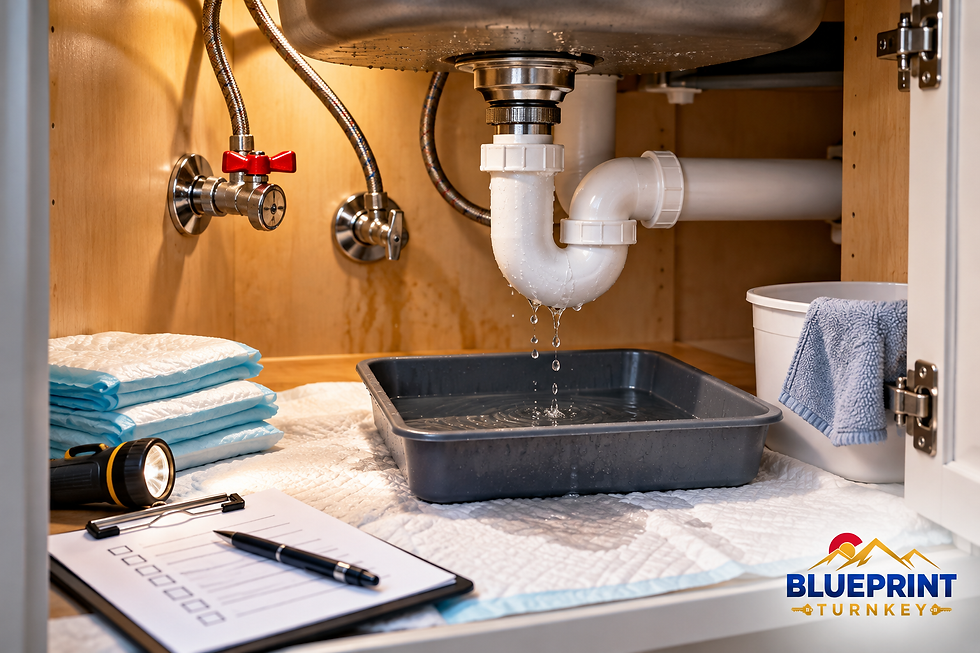
A small leak can become extensive water damage quickly. Ask whether water is actively flowing, where it is visible and whether a known unit or building shutoff can be reached safely. Dispatch plumbing or maintenance support, consider affected units below or beside the source, and document any wet finishes that may require drying or further evaluation.
No heat during cold weather
Confirm whether the issue affects one unit or the entire building, the indoor temperature if available, and whether the equipment shows an obvious fault. Follow the property's approved resident-support and escalation procedure. Heating equipment, gas systems and electrical components should be handled by appropriately qualified providers.
Active roof or ceiling leak
Keep people away from bulging ceilings, wet electrical fixtures and falling material. Ask for photos from a safe location and determine whether the source may be plumbing, roofing or an upper unit. Temporary water control may be needed before weather allows a permanent exterior repair.
Electrical burning odor or arcing
Treat smoke, fire, arcing, heat or a strong burning odor as a safety issue. Residents should leave the affected area and contact emergency services when appropriate. Do not advise anyone to open panels or touch damaged equipment. Dispatch a qualified electrical contractor only after the area is safe for service.
Sewer backup or contaminated water
Restrict access to the affected area and avoid direct contact. A backup may require drain service, cleanup and evaluation of damaged porous materials. Record where the water appeared, which fixtures are affected and whether neighboring units report the same problem.
Unsecured door, window or entry
Confirm whether there was forced entry or a criminal event; law enforcement may need to respond before repairs begin. Once access is cleared, prioritize temporary security and then schedule the permanent door, frame, lock, glass or hardware repair.
Communication that reduces repeat calls
Residents become more concerned when they do not know what happens next. Give a realistic update time rather than an unverified arrival promise. Tell them who is expected, what areas should remain clear and whether access is required. If the vendor is delayed, send a new update before the original window expires.
Owners need a concise operational record: what was reported, what was done to stabilize it, estimated repair scope, photos, costs, insurance considerations and remaining follow-up. A standardized work-order closeout makes this information easier to retrieve if questions arise later.
Build the vendor plan before the emergency
Maintain an approved contact list by trade and service area, including backups. Document after-hours contacts, response expectations, insurance requirements, approval limits, occupied-unit procedures and photo standards. Test the process with routine work orders so communication problems are discovered before the vendor receives a high-pressure call.

Review the plan seasonally and whenever a building, staffing assignment or vendor changes. Confirm shutoff locations, access credentials and escalation contacts. The strongest emergency response is usually the result of preparation completed during ordinary business hours.
Frequently asked questions
What information should a resident provide for an emergency work order?
At minimum, collect the address and unit, caller name and callback number, a plain-language description, when the problem started, whether it is getting worse, any immediate safety concern and photos or video when they can be taken safely.
Should a property manager diagnose the repair before dispatching?
No. Triage should identify risk, category and the right provider, not replace an on-site diagnosis. Avoid technical instructions outside an approved script. Qualified technicians should determine the cause and repair method.
How should after-hours spending be controlled?
Set written not-to-exceed limits by work type and establish who can approve additional costs. Require the vendor to report changed conditions before exceeding the limit unless immediate action is necessary under the management agreement or emergency policy.
What should be documented after stabilization?
Record arrival and completion times, the condition found, safety actions, work performed, materials, photos, resident communication, remaining repairs and invoice references. Open a separate follow-up item when permanent restoration is not completed during the initial visit.
A dependable response starts with one clear call
Blueprint Turnkey LLC helps property managers, landlords and owners coordinate rental maintenance, make-readies, repairs and ongoing property service across Denver Metro and nearby Front Range communities. To discuss your portfolio or submit a work request, call 720-573-1756 or email workorders@blueprintturnkey.com. Include the property address, unit, best contact number and a short description so the team can route the request efficiently.

Comments